Storm drainage update

Share Storm drainage update on Facebook Share Storm drainage update on X (formerly Twitter) Share Storm drainage update on Linkedin Email Storm drainage update link
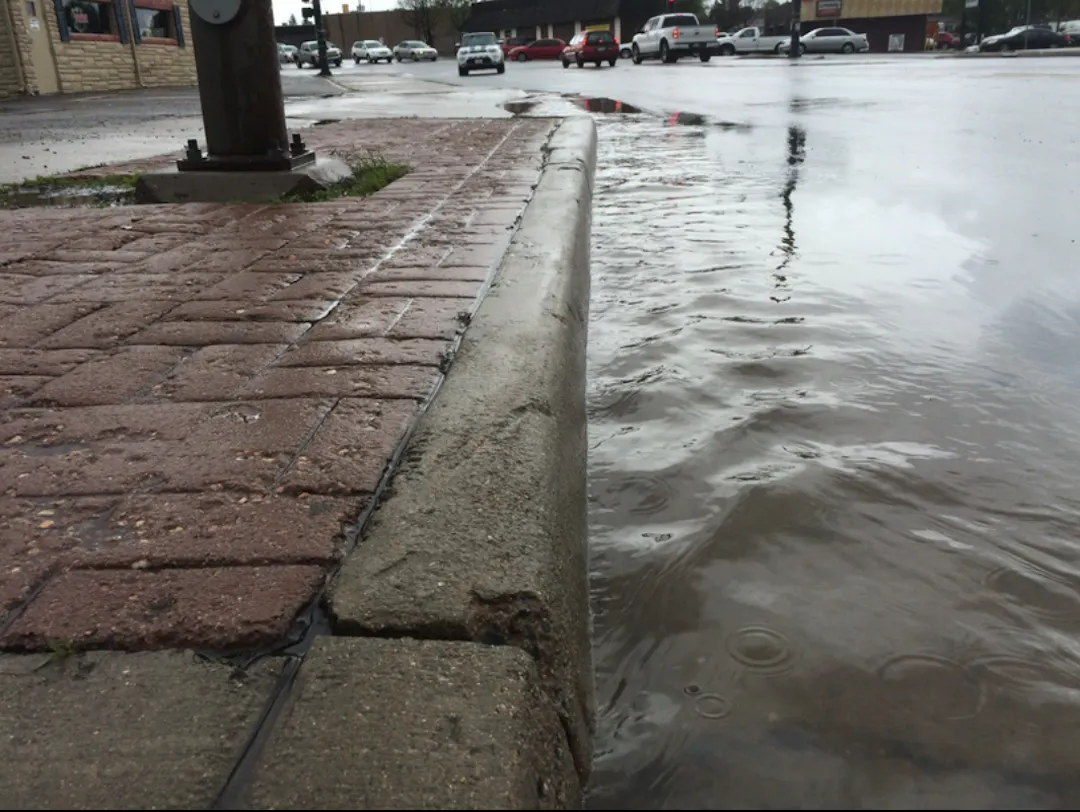
Stormwater flowing in a gutter.

Help the city modernize its drainage manual

We're in the process of updating the city's Drainage Criteria Manual, which is key to guiding how water drainage is managed throughout the city. Your involvement in this update is important because water drainage across the city affects you and every resident by influencing neighborhood safety, roadway conditions, and the long-term health of Lakewood’s waterways. Participate in this project:

  • Attend informational open house Sept. 17 from 5 to 7 p.m. in the lobby of the Public Works Department's permit counter, 470 S. Allison Parkway.
  • Take the quick polls.
  • Review the answers to frequently asked questions.
  • Ask a question.
  • Sign up to follow this project.

About this project

Since the adoption of the manual in 1982, our community, climate, and approach to sustainable development have changed significantly. By updating the manual, the city is committing to support resilient infrastructure, safeguard public resources, and promote thoughtful, sustainable growth for the future.

The manual determines how city infrastructure improvements are built and how private development occurs. The updates to the manual will incorporate modern practices to reduce urban runoff, integrate green and natural infrastructure, enhance water quality protection, and address the evolving challenges associated with climate change.

Effective drainage systems are essential to protecting both the environment and the financial well‑being of the community. Environmentally, responsible stormwater management helps preserve local waterways, reduce erosion, improve habitat quality, and support long‑term ecological health. Financially, clear and up‑to‑date drainage criteria reduce flood risks, limit costly infrastructure repairs, and ensure that both public and private investments are built to withstand future conditions.

The updates to the manual will aim to meet the following objectives:

  • Update applicability to better account for the cumulative impact of new development.
  • Modernize technical standards to reflect current widely accepted stormwater engineering best practices.
  • Add new policies for green infrastructure to reflect community priorities in Envision Lakewood 2040.
  • Enhance water quality requirements to protect waterways, natural habitat, and wildlife.
  • Prepare for future conditions associated with climate change.


Help the city modernize its drainage manual

We're in the process of updating the city's Drainage Criteria Manual, which is key to guiding how water drainage is managed throughout the city. Your involvement in this update is important because water drainage across the city affects you and every resident by influencing neighborhood safety, roadway conditions, and the long-term health of Lakewood’s waterways. Participate in this project:

  • Attend informational open house Sept. 17 from 5 to 7 p.m. in the lobby of the Public Works Department's permit counter, 470 S. Allison Parkway.
  • Take the quick polls.
  • Review the answers to frequently asked questions.
  • Ask a question.
  • Sign up to follow this project.

About this project

Since the adoption of the manual in 1982, our community, climate, and approach to sustainable development have changed significantly. By updating the manual, the city is committing to support resilient infrastructure, safeguard public resources, and promote thoughtful, sustainable growth for the future.

The manual determines how city infrastructure improvements are built and how private development occurs. The updates to the manual will incorporate modern practices to reduce urban runoff, integrate green and natural infrastructure, enhance water quality protection, and address the evolving challenges associated with climate change.

Effective drainage systems are essential to protecting both the environment and the financial well‑being of the community. Environmentally, responsible stormwater management helps preserve local waterways, reduce erosion, improve habitat quality, and support long‑term ecological health. Financially, clear and up‑to‑date drainage criteria reduce flood risks, limit costly infrastructure repairs, and ensure that both public and private investments are built to withstand future conditions.

The updates to the manual will aim to meet the following objectives:

  • Update applicability to better account for the cumulative impact of new development.
  • Modernize technical standards to reflect current widely accepted stormwater engineering best practices.
  • Add new policies for green infrastructure to reflect community priorities in Envision Lakewood 2040.
  • Enhance water quality requirements to protect waterways, natural habitat, and wildlife.
  • Prepare for future conditions associated with climate change.


Ask a Question

Ask a question here and staff will respond as soon as possible, usually within three business days. Questions and responses may be posted publicly at staff's discretion.

For general questions and concerns about the city, please visit LakewoodCO.gov/Request(External link)(External link), which is the city's online customer service hub available 24 hours a day.

Email
loader image
Didn't receive confirmation?
Seems like you are already registered, please provide the password. Forgot your password? Create a new one now.
  • Share Will we see a de-paving of overbuilt streets that contribute to run off, contribute to excess speed, and surfaces that absorb heat. on Facebook Share Will we see a de-paving of overbuilt streets that contribute to run off, contribute to excess speed, and surfaces that absorb heat. on X (formerly Twitter) Share Will we see a de-paving of overbuilt streets that contribute to run off, contribute to excess speed, and surfaces that absorb heat. on Linkedin Email Will we see a de-paving of overbuilt streets that contribute to run off, contribute to excess speed, and surfaces that absorb heat. link

    Will we see a de-paving of overbuilt streets that contribute to run off, contribute to excess speed, and surfaces that absorb heat.

    GMH asked 26 days ago

    Thanks for participating in this project. Regarding your questions, the city’s streets serve two critical purposes: They support transportation needs, and they function as part of the community’s drainage system. Transportation elements are guided by established transportation engineering standards, while drainage components are regulated through the drainage criteria. In Lakewood, factors such as stormwater runoff, speed management, and heat‑island effects are all considered when determining appropriate roadway sections in addition to emergency vehicle access, pedestrian safety, underground infrastructure, and traffic volume.

    Because streets must meet both mobility and drainage requirements, significant reductions in paved areas are unlikely on a widespread basis. However, because this issue is always part of the discission, there are opportunities for reductions. For example, the current West Colfax Transportation Safety Project includes reductions in paved surface area as part of its overall design improvements.

    Looking ahead, the greatest potential for reducing asphalt coverage, and therefore improving runoff management and decreasing heat‑island impacts, will likely come from enhanced site design requirements that will be proposed within the new drainage criteria including expanded use of infiltration systems and other low‑impact development approaches that reduce the need for extensive paved surfaces.

    Kind regards,

    The Project Team

Page last updated: 03 Sep 2026, 04:13 PM