City services discussion

Share City services discussion on Facebook Share City services discussion on X (formerly Twitter) Share City services discussion on Linkedin Email City services discussion link

August 2026 Update:

At its Aug. 24 meeting, City Council approved placing the following question on the Nov. 3 ballot for Lakewood voters to decide:

SHALL CITY OF LAKEWOOD TAXES BE INCREASED BY UP TO $17,600,000 IN THE FIRST FULL FISCAL YEAR (COMMENCING JANUARY 1, 2027) AND BY WHATEVER ADDITIONAL AMOUNTS AS ARE RAISED ANNUALLY IN EACH SUBSEQUENT YEAR, THROUGH THE IMPOSITION OF AN ADDITIONAL SALES AND USE TAX OF 0.5% (INCREASING CITY’S SALES AND USE TAX RATE FROM THREE PERCENT (3%) TO THREE AND A HALF PERCENT (3.5%)), PROVIDED THAT:

  • FOOD, AS DEFINED IN LAKEWOOD MUNICIPAL CODE SECTION 3.01.430 (WHICH INCLUDES GROCERIES), SHALL BE EXEMPT FROM SUCH ADDITIONAL HALF-PERCENT SALES AND USE TAX,

AND SHALL THE TAX REVENUES FROM SUCH ADDITIONAL HALF PERCENT SALES TAX BE USED ONLY FOR THE FOLLOWING SPECIFIC PURPOSES:

  • PUBLIC SAFETY PURPOSES, INCLUDING INVESTING IN CRIME PREVENTION AND HOMELESSNESS RESPONSE; AND
  • TRAFFIC SAFETY IMPROVEMENTS, INCLUDING MAINTENANCE AND CONSTRUCTION OF STREETS AND SIDEWALKS, ROAD IMPROVEMENTS TO REDUCE VEHICLE SPEEDS, AND PEDESTRIAN AND BICYCLE SAFETY ENHANCEMENTS.

AND SHALL SUCH ADDITIONAL HALF PERCENT SALES AND USE TAX BE COLLECTED, RETAINED AND SPENT AS A VOTER APPROVED REVENUE CHANGE NOTWITHSTANDING ANY REVENUE OR EXPENDITURE LIMIT CONTAINED WITHIN ARTICLE X, SECTION 20, OF THE COLORADO CONSTITUTION OR ANY OTHER LAW?

YES ________

NO ________

¿DEBERÁN AUMENTARSE LOS IMPUESTOS DE LA CIUDAD DE LAKEWOOD HASTA EN $17,600,000 EN EL PRIMER AÑO FISCAL COMPLETO (A PARTIR DEL 1 DE ENERO DE 2027) Y EN CUALESQUIERA CANTIDADES ADICIONALES QUE SE RECAUDEN ANUALMENTE EN CADA AÑO SUBSIGUIENTE, MEDIANTE LA IMPOSICIÓN DE UN IMPUESTO ADICIONAL SOBRE LAS VENTAS Y EL USO DEL 0.5% (AUMENTANDO LA TASA DEL IMPUESTO SOBRE LAS VENTAS Y EL USO DE LA CIUDAD DEL TRES POR CIENTO (3%) AL TRES Y MEDIO POR CIENTO (3.5%)), SIEMPRE QUE:

  • LOS ALIMENTOS, SEGÚN SE DEFINEN EN LA SECCIÓN 3.01.430 DEL CÓDIGO MUNICIPAL DE LAKEWOOD (QUE INCLUYE LOS COMESTIBLES), ESTÉN EXENTOS DE DICHO IMPUESTO ADICIONAL DEL MEDIO POR CIENTO SOBRE LAS VENTAS Y EL USO,

Y DEBERÁN UTILIZARSE LOS INGRESOS FISCALES PROVENIENTES DE DICHO IMPUESTO ADICIONAL DEL MEDIO POR CIENTO SOBRE LAS VENTAS ÚNICAMENTE PARA LOS SIGUIENTES FINES ESPECÍFICOS:

  • FINES DE SEGURIDAD PÚBLICA, INCLUIDA LA INVERSIÓN EN LA PREVENCIÓN DEL DELITO Y LA RESPUESTA A LA FALTA DE VIVIENDA; Y

  • MEJORAS EN LA SEGURIDAD VIAL, INCLUIDOS EL MANTENIMIENTO Y LA CONSTRUCCIÓN DE CALLES Y ACERAS, MEJORAS VIALES PARA REDUCIR LA VELOCIDAD DE LOS VEHÍCULOS, Y MEJORAS EN LA SEGURIDAD DE PEATONES Y CICLISTAS.

Y DEBERÁ RECAUDARSE, RETENERSE Y GASTARSE DICHO IMPUESTO ADICIONAL DEL MEDIO POR CIENTO SOBRE LAS VENTAS Y EL USO COMO UN CAMBIO EN LOS INGRESOS APROBADO POR LOS VOTANTES, SIN PERJUICIO DE CUALQUIER LÍMITE DE INGRESOS O GASTOS CONTENIDO EN EL ARTÍCULO X, SECCIÓN 20, DE LA CONSTITUCIÓN DE COLORADO O EN CUALQUIER OTRA LEY?

SÍ ________

NO _______


Learn more about what this involves:


July 2026 Update:

At the July 20 Study Session, City Council received a presentation on the results from the city services survey and discussed the next steps. Council reached a consensus to continue this project. As a result, the Budget and Audit Board is working on a question for the November ballot to ask Lakewood voters for a ½ cent sales tax increase for the city’s 3 percent sales tax. The board is determining what services this sales tax would fund, and the board will present a proposed ballot question for City Council’s review in August. Here are ways to participate and stay updated on this work:


June 2026 Update:

Thank you to all who participated in the survey. The survey is complete. Staff are awaiting results and will share them with City Council in the near future. A presentation is scheduled for the July 20, 2026, Study Session. Information for this meeting will be posted here when it becomes available on LakewoodSpeaks.org.

August 2026 Update:

At its Aug. 24 meeting, City Council approved placing the following question on the Nov. 3 ballot for Lakewood voters to decide:

SHALL CITY OF LAKEWOOD TAXES BE INCREASED BY UP TO $17,600,000 IN THE FIRST FULL FISCAL YEAR (COMMENCING JANUARY 1, 2027) AND BY WHATEVER ADDITIONAL AMOUNTS AS ARE RAISED ANNUALLY IN EACH SUBSEQUENT YEAR, THROUGH THE IMPOSITION OF AN ADDITIONAL SALES AND USE TAX OF 0.5% (INCREASING CITY’S SALES AND USE TAX RATE FROM THREE PERCENT (3%) TO THREE AND A HALF PERCENT (3.5%)), PROVIDED THAT:

  • FOOD, AS DEFINED IN LAKEWOOD MUNICIPAL CODE SECTION 3.01.430 (WHICH INCLUDES GROCERIES), SHALL BE EXEMPT FROM SUCH ADDITIONAL HALF-PERCENT SALES AND USE TAX,

AND SHALL THE TAX REVENUES FROM SUCH ADDITIONAL HALF PERCENT SALES TAX BE USED ONLY FOR THE FOLLOWING SPECIFIC PURPOSES:

  • PUBLIC SAFETY PURPOSES, INCLUDING INVESTING IN CRIME PREVENTION AND HOMELESSNESS RESPONSE; AND
  • TRAFFIC SAFETY IMPROVEMENTS, INCLUDING MAINTENANCE AND CONSTRUCTION OF STREETS AND SIDEWALKS, ROAD IMPROVEMENTS TO REDUCE VEHICLE SPEEDS, AND PEDESTRIAN AND BICYCLE SAFETY ENHANCEMENTS.

AND SHALL SUCH ADDITIONAL HALF PERCENT SALES AND USE TAX BE COLLECTED, RETAINED AND SPENT AS A VOTER APPROVED REVENUE CHANGE NOTWITHSTANDING ANY REVENUE OR EXPENDITURE LIMIT CONTAINED WITHIN ARTICLE X, SECTION 20, OF THE COLORADO CONSTITUTION OR ANY OTHER LAW?

YES ________

NO ________

¿DEBERÁN AUMENTARSE LOS IMPUESTOS DE LA CIUDAD DE LAKEWOOD HASTA EN $17,600,000 EN EL PRIMER AÑO FISCAL COMPLETO (A PARTIR DEL 1 DE ENERO DE 2027) Y EN CUALESQUIERA CANTIDADES ADICIONALES QUE SE RECAUDEN ANUALMENTE EN CADA AÑO SUBSIGUIENTE, MEDIANTE LA IMPOSICIÓN DE UN IMPUESTO ADICIONAL SOBRE LAS VENTAS Y EL USO DEL 0.5% (AUMENTANDO LA TASA DEL IMPUESTO SOBRE LAS VENTAS Y EL USO DE LA CIUDAD DEL TRES POR CIENTO (3%) AL TRES Y MEDIO POR CIENTO (3.5%)), SIEMPRE QUE:

  • LOS ALIMENTOS, SEGÚN SE DEFINEN EN LA SECCIÓN 3.01.430 DEL CÓDIGO MUNICIPAL DE LAKEWOOD (QUE INCLUYE LOS COMESTIBLES), ESTÉN EXENTOS DE DICHO IMPUESTO ADICIONAL DEL MEDIO POR CIENTO SOBRE LAS VENTAS Y EL USO,

Y DEBERÁN UTILIZARSE LOS INGRESOS FISCALES PROVENIENTES DE DICHO IMPUESTO ADICIONAL DEL MEDIO POR CIENTO SOBRE LAS VENTAS ÚNICAMENTE PARA LOS SIGUIENTES FINES ESPECÍFICOS:

  • FINES DE SEGURIDAD PÚBLICA, INCLUIDA LA INVERSIÓN EN LA PREVENCIÓN DEL DELITO Y LA RESPUESTA A LA FALTA DE VIVIENDA; Y

  • MEJORAS EN LA SEGURIDAD VIAL, INCLUIDOS EL MANTENIMIENTO Y LA CONSTRUCCIÓN DE CALLES Y ACERAS, MEJORAS VIALES PARA REDUCIR LA VELOCIDAD DE LOS VEHÍCULOS, Y MEJORAS EN LA SEGURIDAD DE PEATONES Y CICLISTAS.

Y DEBERÁ RECAUDARSE, RETENERSE Y GASTARSE DICHO IMPUESTO ADICIONAL DEL MEDIO POR CIENTO SOBRE LAS VENTAS Y EL USO COMO UN CAMBIO EN LOS INGRESOS APROBADO POR LOS VOTANTES, SIN PERJUICIO DE CUALQUIER LÍMITE DE INGRESOS O GASTOS CONTENIDO EN EL ARTÍCULO X, SECCIÓN 20, DE LA CONSTITUCIÓN DE COLORADO O EN CUALQUIER OTRA LEY?

SÍ ________

NO _______


Learn more about what this involves:


July 2026 Update:

At the July 20 Study Session, City Council received a presentation on the results from the city services survey and discussed the next steps. Council reached a consensus to continue this project. As a result, the Budget and Audit Board is working on a question for the November ballot to ask Lakewood voters for a ½ cent sales tax increase for the city’s 3 percent sales tax. The board is determining what services this sales tax would fund, and the board will present a proposed ballot question for City Council’s review in August. Here are ways to participate and stay updated on this work:


June 2026 Update:

Thank you to all who participated in the survey. The survey is complete. Staff are awaiting results and will share them with City Council in the near future. A presentation is scheduled for the July 20, 2026, Study Session. Information for this meeting will be posted here when it becomes available on LakewoodSpeaks.org.

Ask a question

Ask your question here, and city staff will respond within three business days. Questions and answers about this project can be visible to the public.  

For general questions and concerns about the city, please visit LakewoodCO.gov/Request(External link), which is the city's online customer service hub available 24 hours a day. 

Email
loader image
Didn't receive confirmation?
Seems like you are already registered, please provide the password. Forgot your password? Create a new one now.
  • Share Sales tax impacts all residents equally, thus disproportionately impacting the lower classes. Has the City Council considered imposing property taxes for properties above a certain threshold value instead? on Facebook Share Sales tax impacts all residents equally, thus disproportionately impacting the lower classes. Has the City Council considered imposing property taxes for properties above a certain threshold value instead? on X (formerly Twitter) Share Sales tax impacts all residents equally, thus disproportionately impacting the lower classes. Has the City Council considered imposing property taxes for properties above a certain threshold value instead? on Linkedin Email Sales tax impacts all residents equally, thus disproportionately impacting the lower classes. Has the City Council considered imposing property taxes for properties above a certain threshold value instead? link

    Sales tax impacts all residents equally, thus disproportionately impacting the lower classes. Has the City Council considered imposing property taxes for properties above a certain threshold value instead?

    pixystix asked about 1 month ago

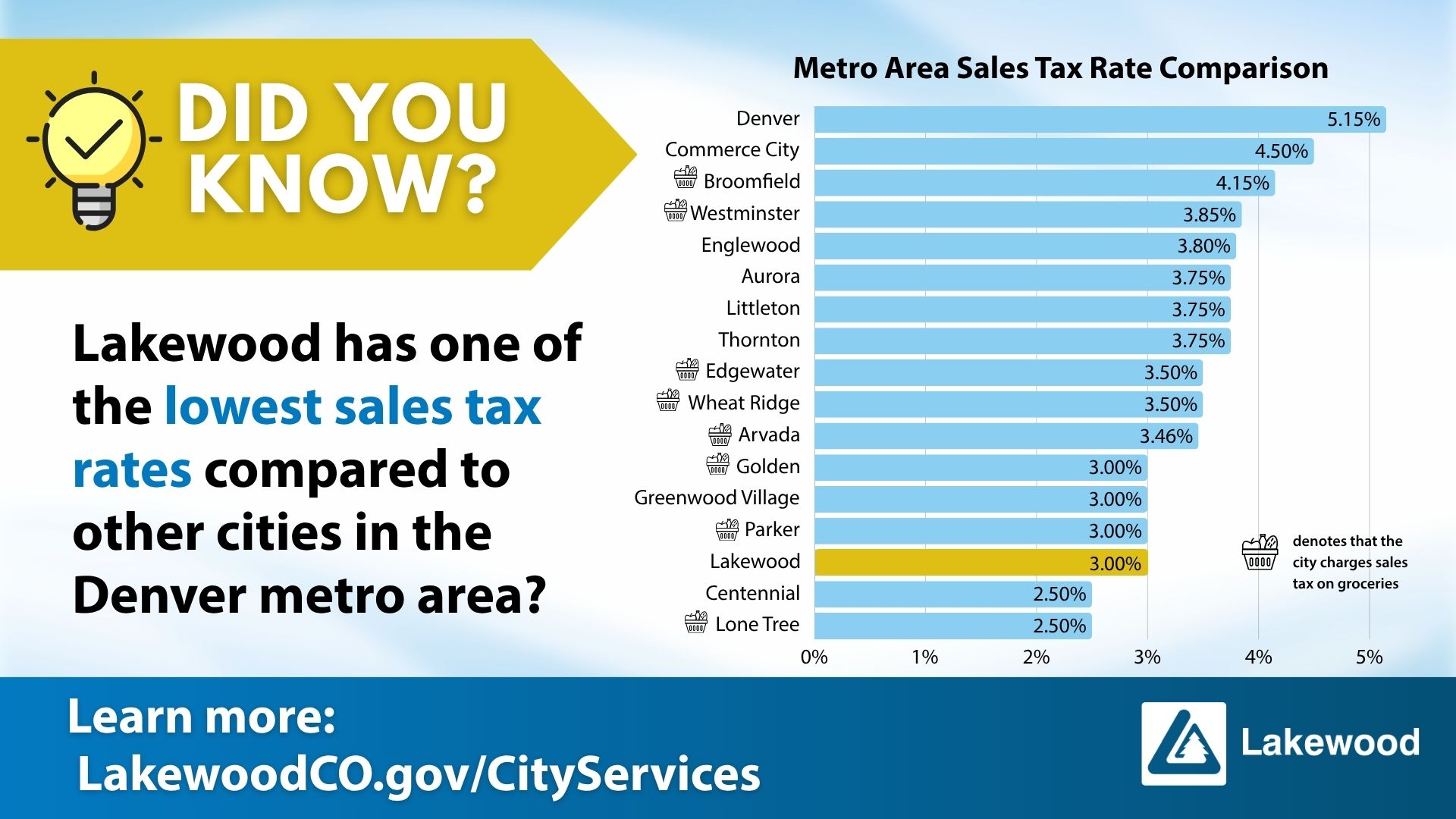
    Thank you for participating in this project. The Budget and Audit Board considered a range of revenue options before recommending adding to the city's sales tax. The board sought an approach that could generate the revenue needed to maintain and enhance public safety, road improvements and community services. In Colorado, cities including Lakewood are mostly funded by sales tax revenue. In terms of property tax, Lakewood receives only about 5 percent of the property tax levied on a typical residence, with the remaining property taxes going to Jefferson County, Jeffco Public Schools, and West Metro Fire Protection District. Rather than add to the property tax burden alongside these taxing entities, the Budget and Audit Board considered adding the half-cent to the city's 3 percent sales tax because Lakewood's sales tax rate is among the lowest in the metro area, has not been increased since the early 2000s, and doesn't tax groceries.

    Kind regards,

    The Project Team

  • Share Why did the survey include a section for why I would vote yes for the ballot measure but not a section for why I would vote no? on Facebook Share Why did the survey include a section for why I would vote yes for the ballot measure but not a section for why I would vote no? on X (formerly Twitter) Share Why did the survey include a section for why I would vote yes for the ballot measure but not a section for why I would vote no? on Linkedin Email Why did the survey include a section for why I would vote yes for the ballot measure but not a section for why I would vote no? link

    Why did the survey include a section for why I would vote yes for the ballot measure but not a section for why I would vote no?

    Matt’s asked 4 months ago

    Good morning,

    That question was determined by the answer given to the previous question. If you answered that you would "Definitely Vote Yes/Probably Vote Yes," you were then asked for your reasons why you would vote yes. And the same for those who answered "Definitely Vote No/Probably Vote No." So most likely you answered "Definitely Vote Yes/Probably Vote Yes," and therefore received the question asking why you would vote yes.

     Thank you for taking part in this project! 

  • Share Who are the council memebers on this committee? And who are the residence? Where do they live and how were they chosen for this task? Do we have a right to know? on Facebook Share Who are the council memebers on this committee? And who are the residence? Where do they live and how were they chosen for this task? Do we have a right to know? on X (formerly Twitter) Share Who are the council memebers on this committee? And who are the residence? Where do they live and how were they chosen for this task? Do we have a right to know? on Linkedin Email Who are the council memebers on this committee? And who are the residence? Where do they live and how were they chosen for this task? Do we have a right to know? link

    Who are the council memebers on this committee? And who are the residence? Where do they live and how were they chosen for this task? Do we have a right to know?

    Tom asked 4 months ago

    Good morning,

    Thank you for taking an interest in this project. As the link provided at the top of the project page shows, the Budget and Audit Board has a page on the city website that lists the resident members and Council representatives. The residents applied for positions on the board and were selected by a Council committee based on their experience in the relevant areas. For your convenience we have listed them below as well:

    Citizen Members

    • Lauren Sisneros
    • Open
    • Bobbie Wolfe 


    City Council Members

    • Roger Low
    • Jeslin Shahrezaei
    • Isabel Cruz


  • Share Inflation has also diminished the citizens’ disposable income, compelling them to curtail their expenditures. Consequently, sales tax revenue remains stagnant. Why is Lakewood not considering reducing spending instead of requesting a tax increase? on Facebook Share Inflation has also diminished the citizens’ disposable income, compelling them to curtail their expenditures. Consequently, sales tax revenue remains stagnant. Why is Lakewood not considering reducing spending instead of requesting a tax increase? on X (formerly Twitter) Share Inflation has also diminished the citizens’ disposable income, compelling them to curtail their expenditures. Consequently, sales tax revenue remains stagnant. Why is Lakewood not considering reducing spending instead of requesting a tax increase? on Linkedin Email Inflation has also diminished the citizens’ disposable income, compelling them to curtail their expenditures. Consequently, sales tax revenue remains stagnant. Why is Lakewood not considering reducing spending instead of requesting a tax increase? link

    Inflation has also diminished the citizens’ disposable income, compelling them to curtail their expenditures. Consequently, sales tax revenue remains stagnant. Why is Lakewood not considering reducing spending instead of requesting a tax increase?

    JohnM asked 4 months ago

    Thanks, John, for weighing on this project and letting us know your views on this. We hope you took the survey as well.

    Kind regard,

    The Project Team

  • Share Why are we considering a regressive sales tax instead of taxing things that negatively impact others or are rent seeking behaviors? Shouldn't we be using taxes to disincentivize behaviors that have a net negative impact on others society? For instance, I remember people having problems with gas stations and car washes opening up. If we taxed gasoline and car washes higher, we could disincentivize their use and construction by lower demand. A sales tax hurts lower income folks at a higher proportion than higher income folks, and we shouldn't be expanding regressive forms of taxation when there are other specific purchases that have a clear negative impact on our community. Ideally I'd like a Land Value Tax, but I know that isn't legal at this level of government. on Facebook Share Why are we considering a regressive sales tax instead of taxing things that negatively impact others or are rent seeking behaviors? Shouldn't we be using taxes to disincentivize behaviors that have a net negative impact on others society? For instance, I remember people having problems with gas stations and car washes opening up. If we taxed gasoline and car washes higher, we could disincentivize their use and construction by lower demand. A sales tax hurts lower income folks at a higher proportion than higher income folks, and we shouldn't be expanding regressive forms of taxation when there are other specific purchases that have a clear negative impact on our community. Ideally I'd like a Land Value Tax, but I know that isn't legal at this level of government. on X (formerly Twitter) Share Why are we considering a regressive sales tax instead of taxing things that negatively impact others or are rent seeking behaviors? Shouldn't we be using taxes to disincentivize behaviors that have a net negative impact on others society? For instance, I remember people having problems with gas stations and car washes opening up. If we taxed gasoline and car washes higher, we could disincentivize their use and construction by lower demand. A sales tax hurts lower income folks at a higher proportion than higher income folks, and we shouldn't be expanding regressive forms of taxation when there are other specific purchases that have a clear negative impact on our community. Ideally I'd like a Land Value Tax, but I know that isn't legal at this level of government. on Linkedin Email Why are we considering a regressive sales tax instead of taxing things that negatively impact others or are rent seeking behaviors? Shouldn't we be using taxes to disincentivize behaviors that have a net negative impact on others society? For instance, I remember people having problems with gas stations and car washes opening up. If we taxed gasoline and car washes higher, we could disincentivize their use and construction by lower demand. A sales tax hurts lower income folks at a higher proportion than higher income folks, and we shouldn't be expanding regressive forms of taxation when there are other specific purchases that have a clear negative impact on our community. Ideally I'd like a Land Value Tax, but I know that isn't legal at this level of government. link

    Why are we considering a regressive sales tax instead of taxing things that negatively impact others or are rent seeking behaviors? Shouldn't we be using taxes to disincentivize behaviors that have a net negative impact on others society? For instance, I remember people having problems with gas stations and car washes opening up. If we taxed gasoline and car washes higher, we could disincentivize their use and construction by lower demand. A sales tax hurts lower income folks at a higher proportion than higher income folks, and we shouldn't be expanding regressive forms of taxation when there are other specific purchases that have a clear negative impact on our community. Ideally I'd like a Land Value Tax, but I know that isn't legal at this level of government.

    zbholman asked 4 months ago

    Thanks for participating in this project and submitting your thoughts on how the city should move forward. If you have, please be sure to take the survey at the link on the homepage of this project.

    Kind regards,

    The Project Team

Page last updated: 03 Sep 2026, 03:37 PM